


Posted on

New PCB 1.4

After using the board for a while, we decided to develop a version with support for the SeaTalk bus, one of the most common (if somewhat old) data bus standards on leisure boats.
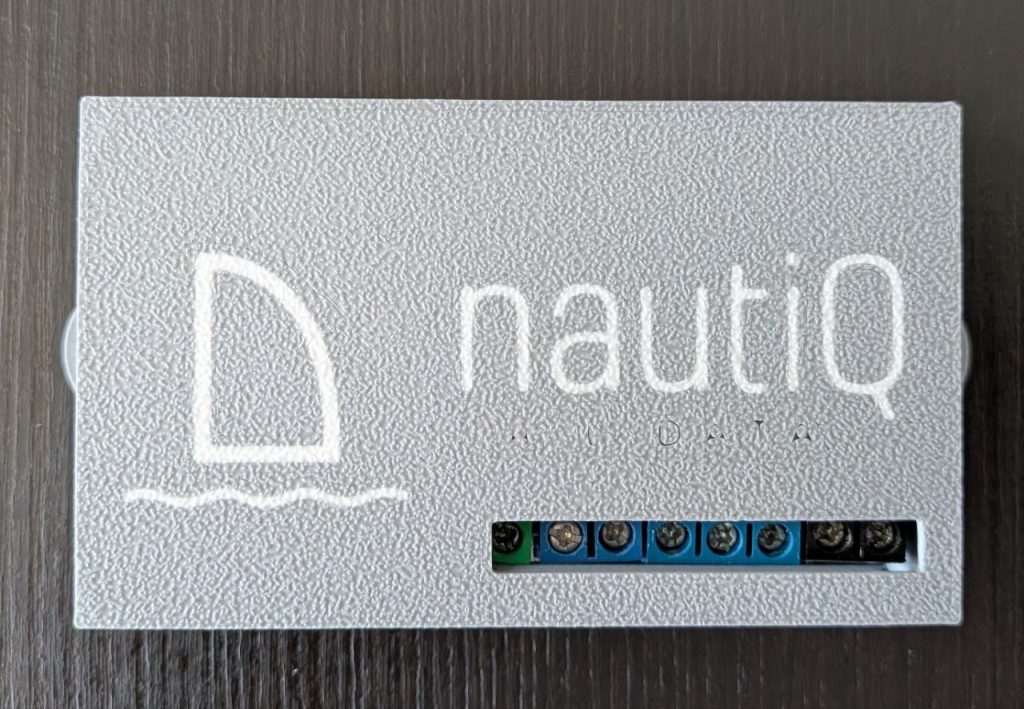
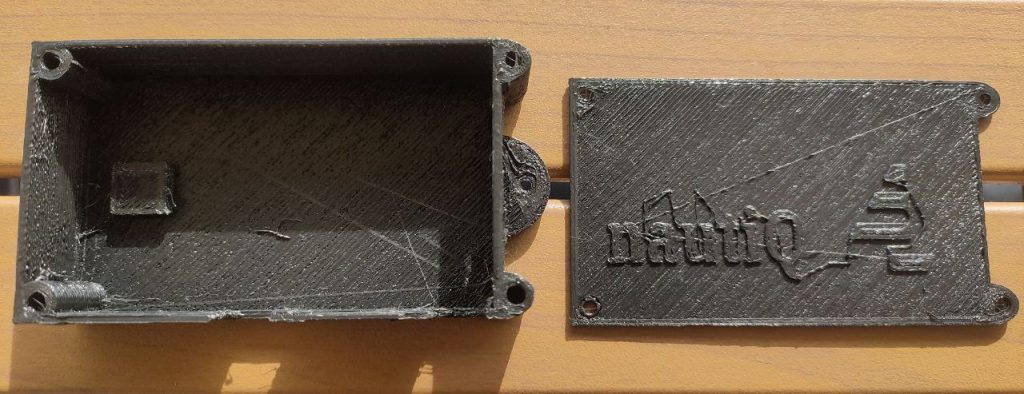
Caja sailoQ 1.4 cerrada con las bornas de conexión
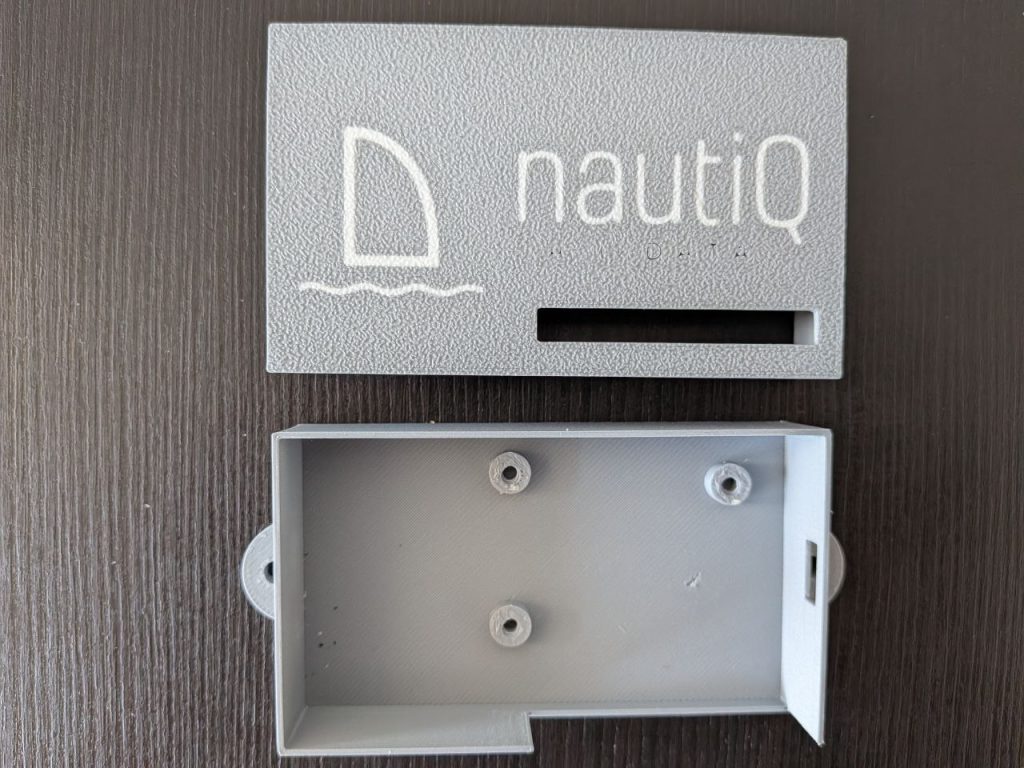
Tapa y base de la caja sailoQ 1.4

We keep the NMEA0183 output and add the new SeaTalk one, so the board acts as a bridge between both, making data exchange between the two buses simple. As announced, the temperature sensor has been removed; a board can be attached via the I2C bus to read temperature, humidity and pressure (though not in a standard way).
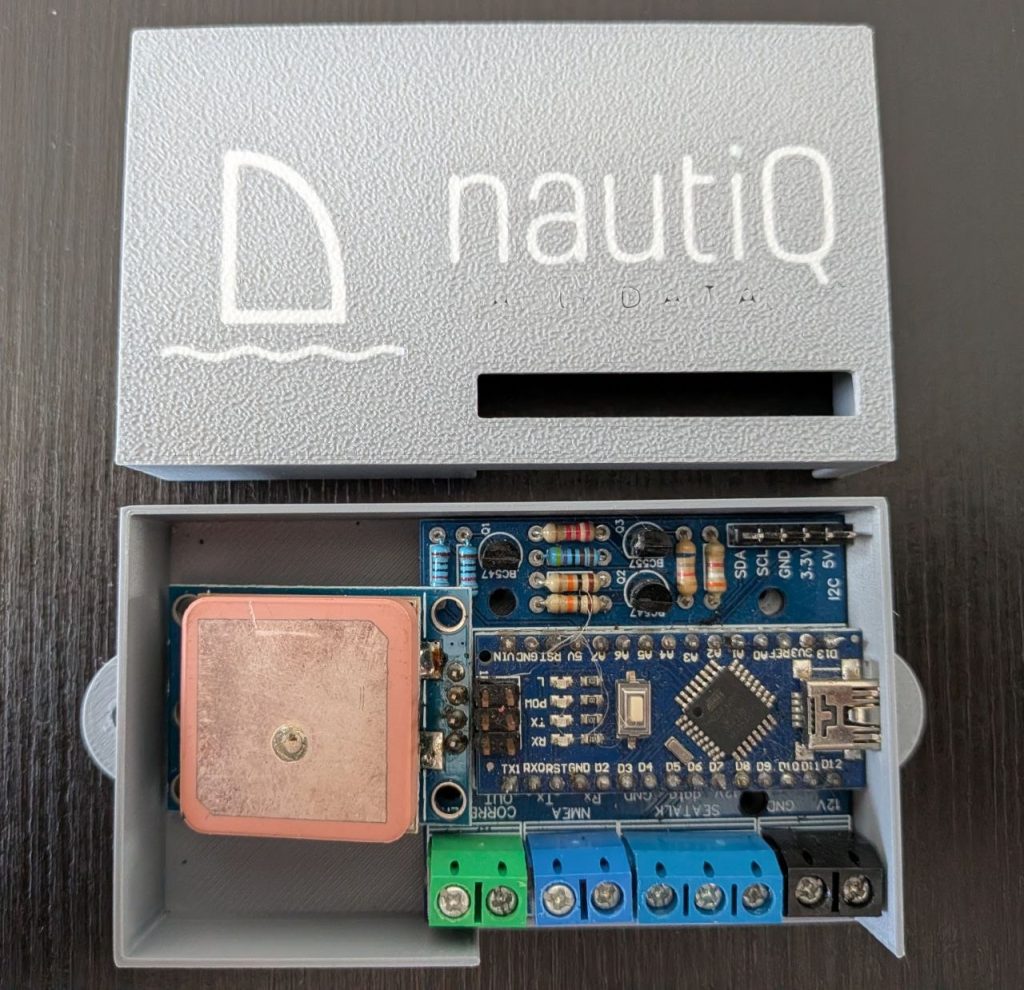
Caja sailoQ 1.4 abierta con la placa, el Arduino y la antena GPS

Of course, we have developed new firmware to take advantage of these features and, while we were at it, optimised the code for better performance, gaining speed and error resilience.

We hope you like it.


Interested? sailoQ devices are available in the shop: the sailoQ cube-micro, speed log only, and the sailoQ cube-lite, with NMEA 0183 and SeaTalk. If you're unsure which model to choose, see Which sailoQ do I need?
Posted on

Manual

We owed you a short user manual to help with the connection (although it’s only three wires) and, above all, with calibrating Raymarine displays, the most widespread ones, so they show the information correctly.

Well, now we have a mini manual.


Interested? sailoQ devices are available in the shop: the sailoQ cube-micro, speed log only, and the sailoQ cube-lite, with NMEA 0183 and SeaTalk. If you're unsure which model to choose, see Which sailoQ do I need?
Posted on

New software version 1.3

We are announcing software version 1.3. This is a major revision, with significant changes to the code structure and new features, which we describe below:

  • Support for NMEA0183 sentences to communicate using this protocol, as announced in a previous post. This is probably the most notable change, as it opens up a wide range of possibilities for the device.
  • Optional BME280 weather station (on request) providing temperature, humidity and atmospheric pressure. The data is also sent over NMEA0183 and can be read by other devices on board, or even by a Raspberry Pi running OpenCPN and automatically logged at regular intervals.
  • More information about the start-up process sent over USB, so we always know what the device is doing.
  • 20×4 LCD with a well-designed layout so it can be used on its own.

We hope these changes are well received and live up to your expectations. As always, we are listening and happy to implement anything you’d like to have in the device.


Interested? sailoQ devices are available in the shop: the sailoQ cube-micro, speed log only, and the sailoQ cube-lite, with NMEA 0183 and SeaTalk. If you're unsure which model to choose, see Which sailoQ do I need?
Posted on

Enclosure for board 1.3

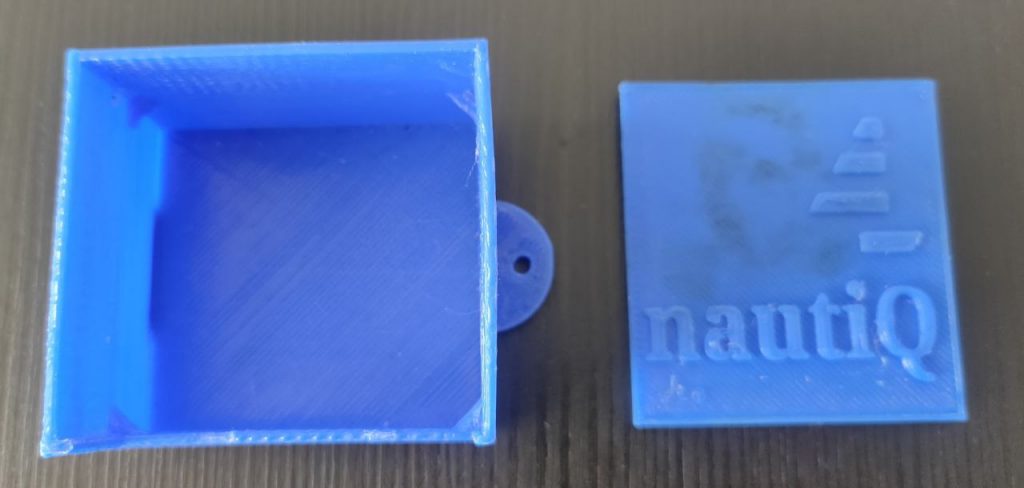
Making use of an old 3D printer, we designed an enclosure to make mounting on bulkheads easier.

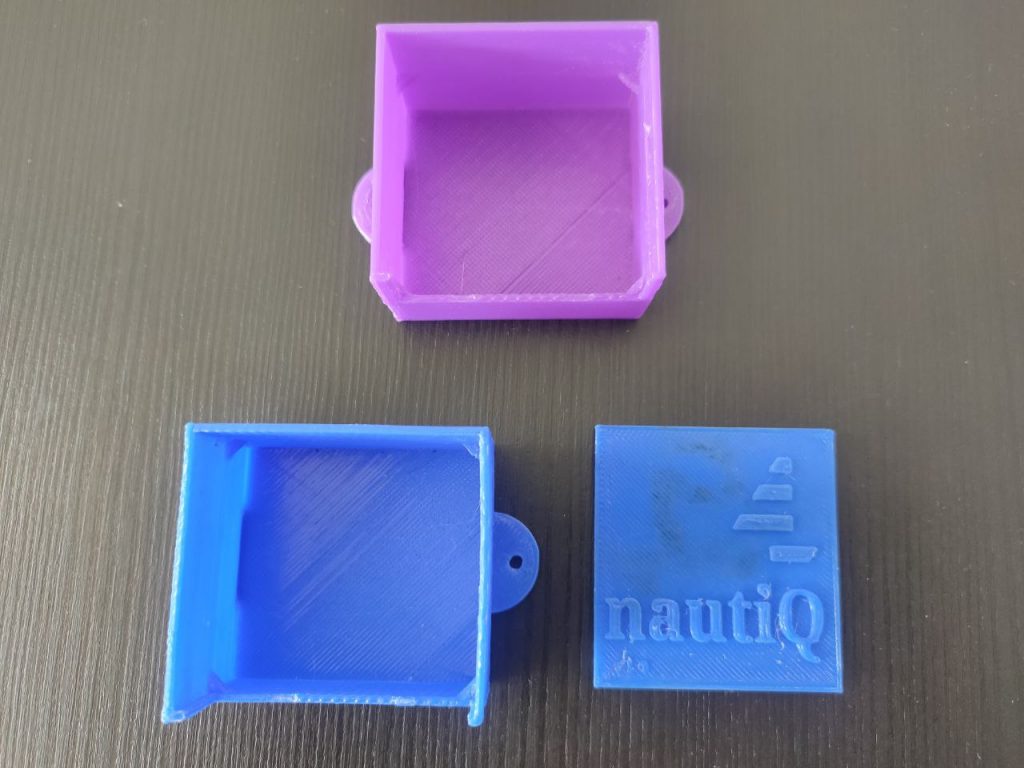
Here you can see the first prototypes: we designed two models, one more compact and one slightly larger.

Caja compacta impresa en 3D para la placa 1.3
Caja grande impresa en 3D para la placa 1.3
Prototipos de cajas impresas en 3D en varios colores

Interested? sailoQ devices are available in the shop: the sailoQ cube-micro, speed log only, and the sailoQ cube-lite, with NMEA 0183 and SeaTalk. If you're unsure which model to choose, see Which sailoQ do I need?
Posted on

New PCB 1.3

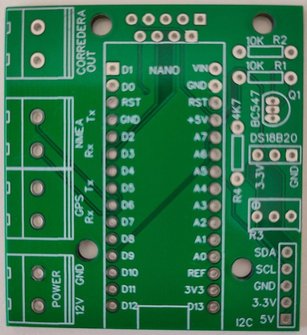
The previous board seemed a bit large to us, so we designed a more compact PCB with the inputs and outputs we were planning for our future software, allowing a more efficient assembly without so much wasted space.

After a long design period and a looooong wait, they have finally arrived. Here are the very first pictures.

Placa de circuito impreso sailoQ 1.3 sin componentes
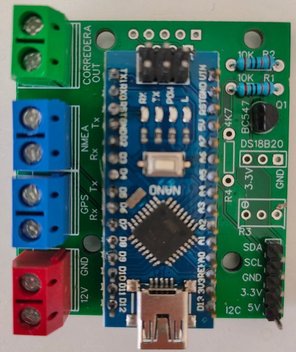
Placa sailoQ 1.3 montada con Arduino Nano y bornas

As you can see, everything is very compact. Apart from the GPS, it accepts an external GPS input, or the on-board one can be used externally.

The NMEA output works provisionally, and we are still testing to output the speed log and GPS data (it isn’t soldered in the photos).

We have kept the SDA and SCL outputs (I2C bus) to connect a 2- or 4-line LCD display, although these screens are very small and the information has to be squeezed a lot, which looks odd; we’ll try to solve this.

The temperature input, although connected and working, may not be available in future versions, as we will use a more flexible system: the I2C bus.

Now it’s time to design an enclosure for the device, but we’ll leave that for another post.


Interested? sailoQ devices are available in the shop: the sailoQ cube-micro, speed log only, and the sailoQ cube-lite, with NMEA 0183 and SeaTalk. If you're unsure which model to choose, see Which sailoQ do I need?

Posted on

New software version 1.2

Initially we focused on emulating a speed log that could be connected to a Tridata display and send speed log pulses, but now the software has been redesigned to add new features, which we describe below:

  • every time the device starts up, it runs a calibration test: it shows a speed of 3.5 knots (ramping up progressively to 3.5 knots, holding for a few seconds and returning to zero, ready to work), so we can compare it with the speed shown on the Tridata display and, if necessary, adjust the display’s calibration values (check your display’s manual for this).
  • it does not show values below 0.5 knots, as false readings could sometimes occur while at anchor.
  • The data refresh rate has been reduced so values don’t follow each other too quickly, avoiding that “jumpy” feeling.
  • it shows start-up information over the USB port, as well as GPS information and COG and SOG values.

We hope you find all these changes interesting, and please send us any others you think are necessary or would like to have.


Interested? sailoQ devices are available in the shop: the sailoQ cube-micro, speed log only, and the sailoQ cube-lite, with NMEA 0183 and SeaTalk. If you're unsure which model to choose, see Which sailoQ do I need?