

Posted on

sailoQ remote: your autopilot and boat data in your hand

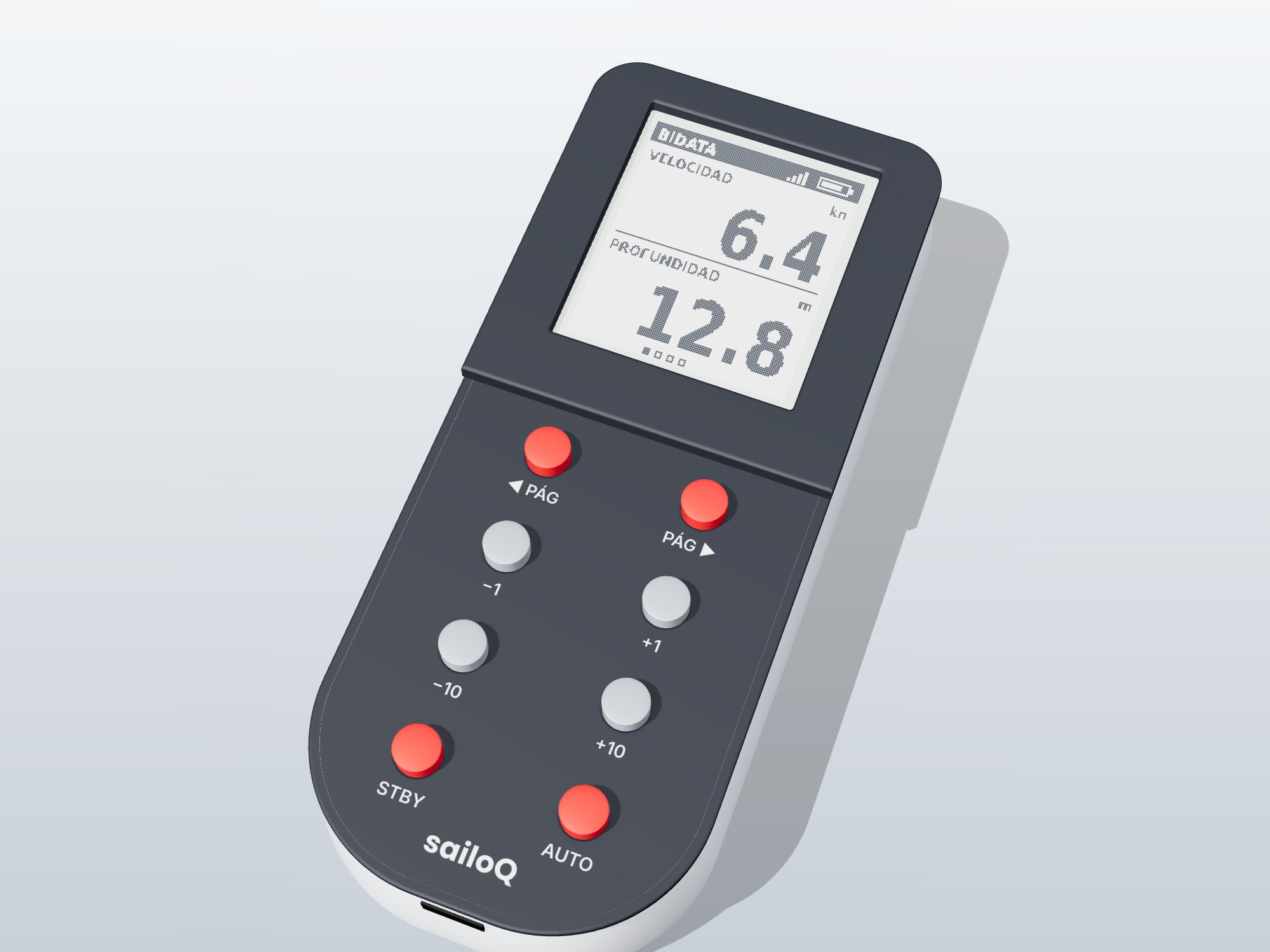
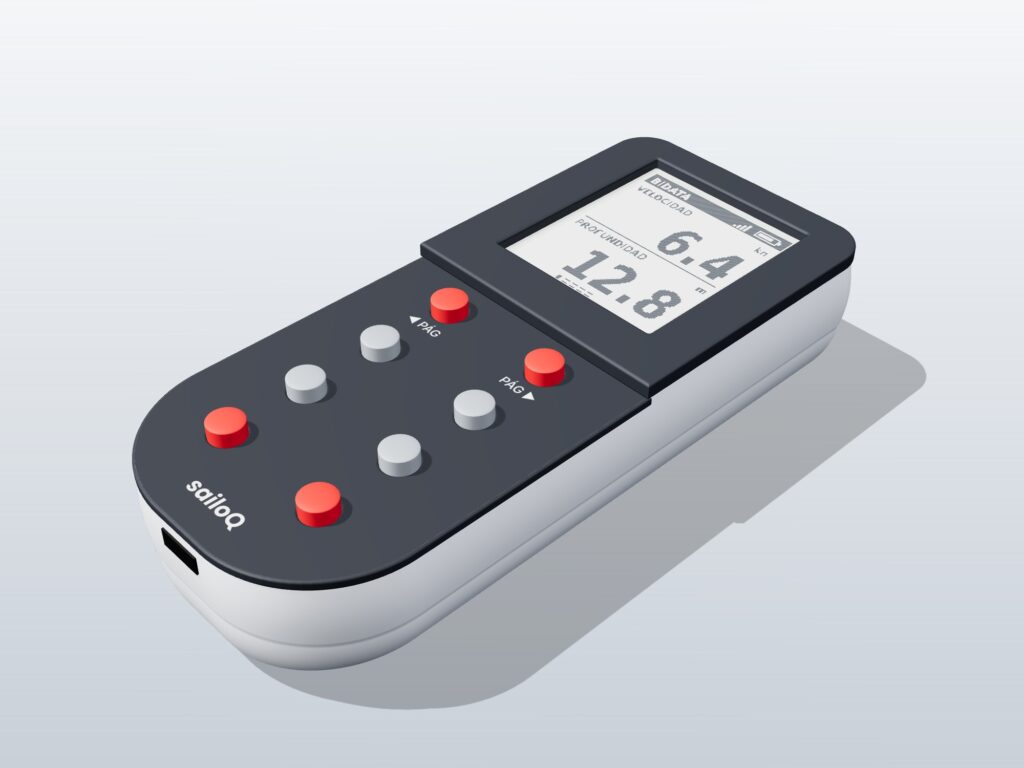
Render del sailoQ remote visto de frente, con la pantalla de velocidad y profundidad

Meet the sailoQ remote, the next member of the family: a handheld remote with a display that lets you command your autopilot and see your boat's data from anywhere on deck.

It is in production right now and we expect it to be available in about 30 days. The images in this post are renders of the design.
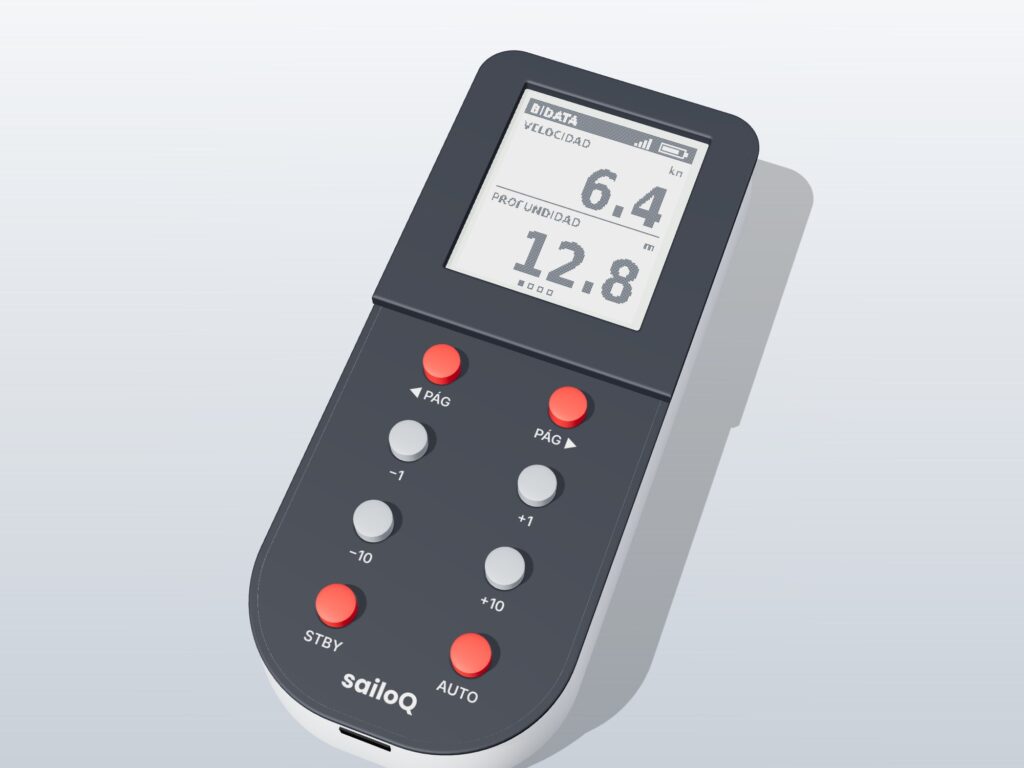
Render del sailoQ remote visto de frente, con la pantalla de velocidad y profundidad
Render of the sailoQ remote.

The size of a VHF handset

It measures 60 × 140 × 30 mm, roughly the same as the handheld microphone of a VHF radio. It fits in one hand and you can take it with you to the helm, the bow or the cockpit.

A display you can read in full sun

It has a 46 × 57 mm monochrome graphic display, large for its size and designed to be read in sunlight, which is exactly where you'll use it. Numbers are big and clear, with no glare or colours to distract you.

Eight buttons you can use with gloves

It has 8 buttons, large and well spaced so you can use them with sailing gloves:

  • 2 page buttons to move from one screen to the next.
  • 6 context buttons, whose function changes with the page you're on. On the autopilot page, for example, they are Auto, Standby and 1° and 10° course changes to either side.
Render lateral del sailoQ remote

What you can do with it

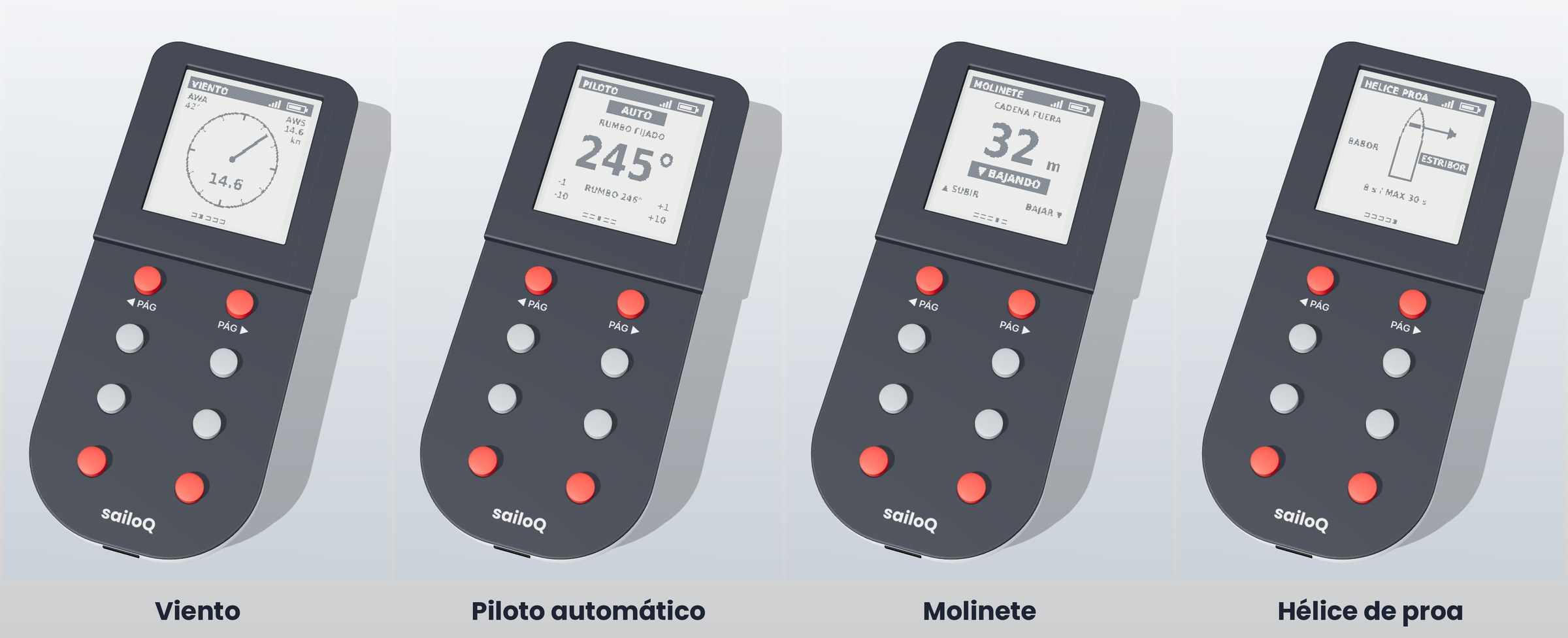
The sailoQ remote takes the information from your boat's data buses and shows it across several pages:

  • Autopilot: switch it to Auto or Standby, see the locked heading and adjust it.
  • Navigation data: speed and depth, like a handheld tridata repeater.
  • Wind: apparent wind angle and speed.
  • Windlass: raise or lower the anchor and see how much chain is out.
  • Bow thruster: push the bow to port or starboard.
Cuatro pantallas del sailoQ remote: viento, piloto automático, molinete y hélice de proa
Some of its pages: wind, autopilot, windlass and bow thruster.

It reads the data through other sailoQ devices installed on board, such as the sailoQ cube-lite or the upcoming sailoQ pro.

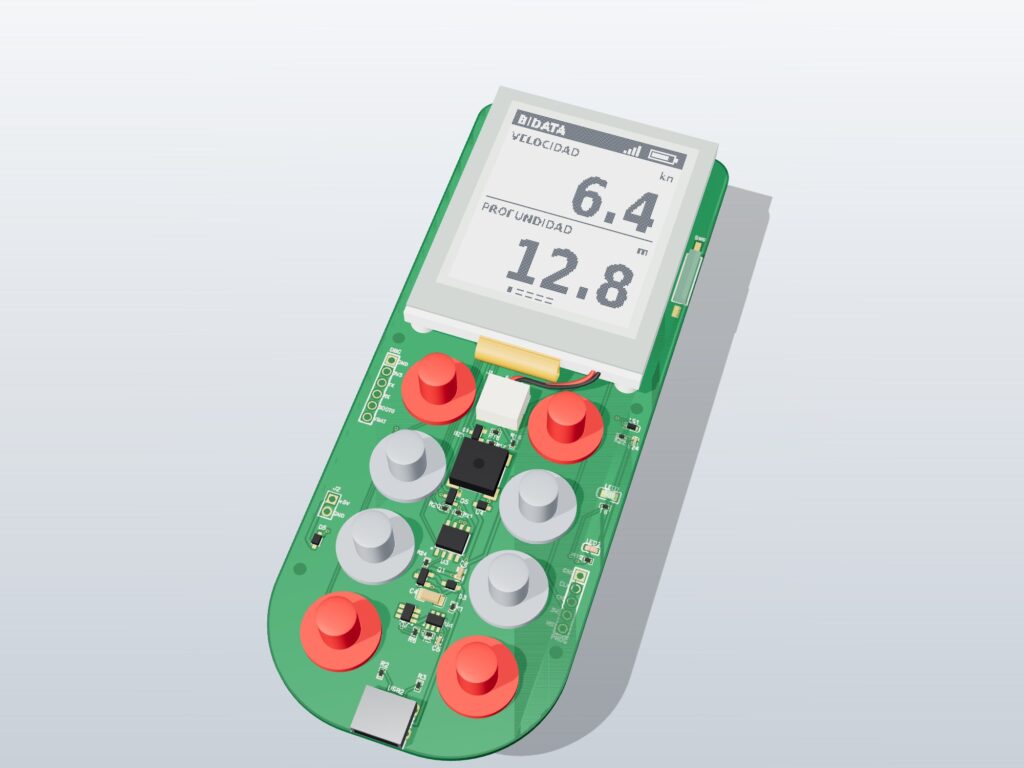
Inside

This is the board without its case: the display at the top and the eight buttons below.
Render de la placa del sailoQ remote sin carcasa
The sailoQ remote pages in motion.

Interested? Write to us through the contact page and we'll let you know as soon as it's available. Meanwhile, if you want to control your autopilot with a remote, the sailoQ cube-lite already does it with a 433 MHz remote.
Posted on

New sailoQ cube-lite 1.6: STM32, NMEA 0183–SeaTalk bridge and autopilot remote

Caja sailoQ cube-lite junto al mando a distancia para el piloto automático

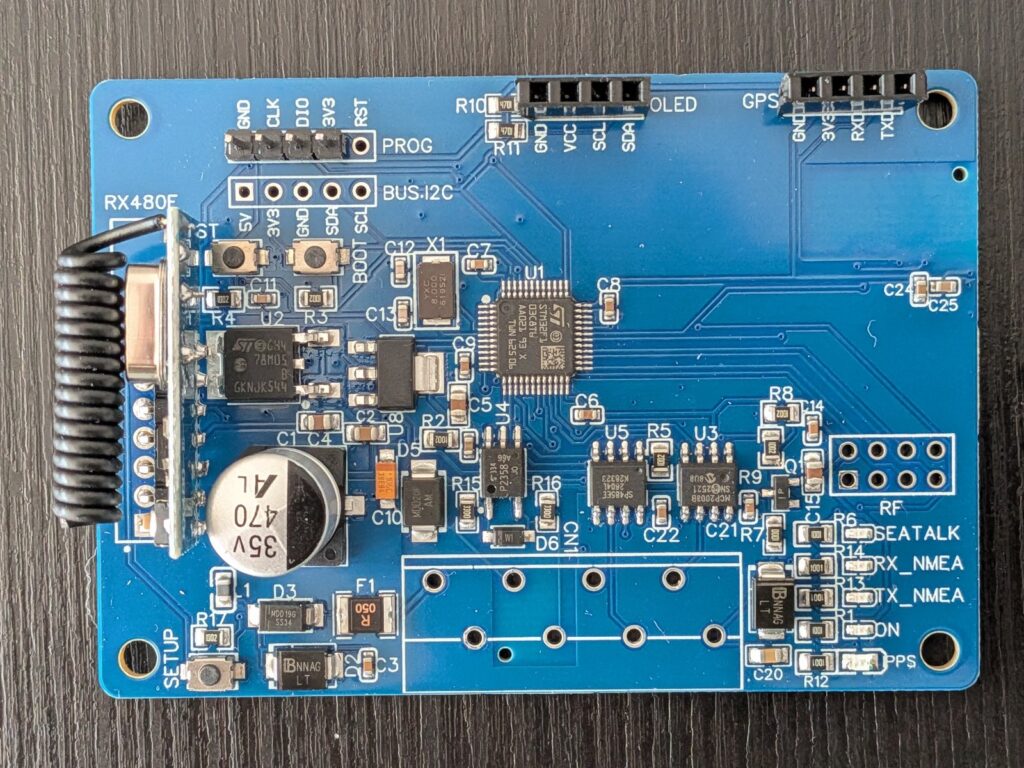
We've just received the new boards for the sailoQ cube-lite 1.6, and they bring the biggest change since we started: a new processor, more features and a remote control for the autopilot.

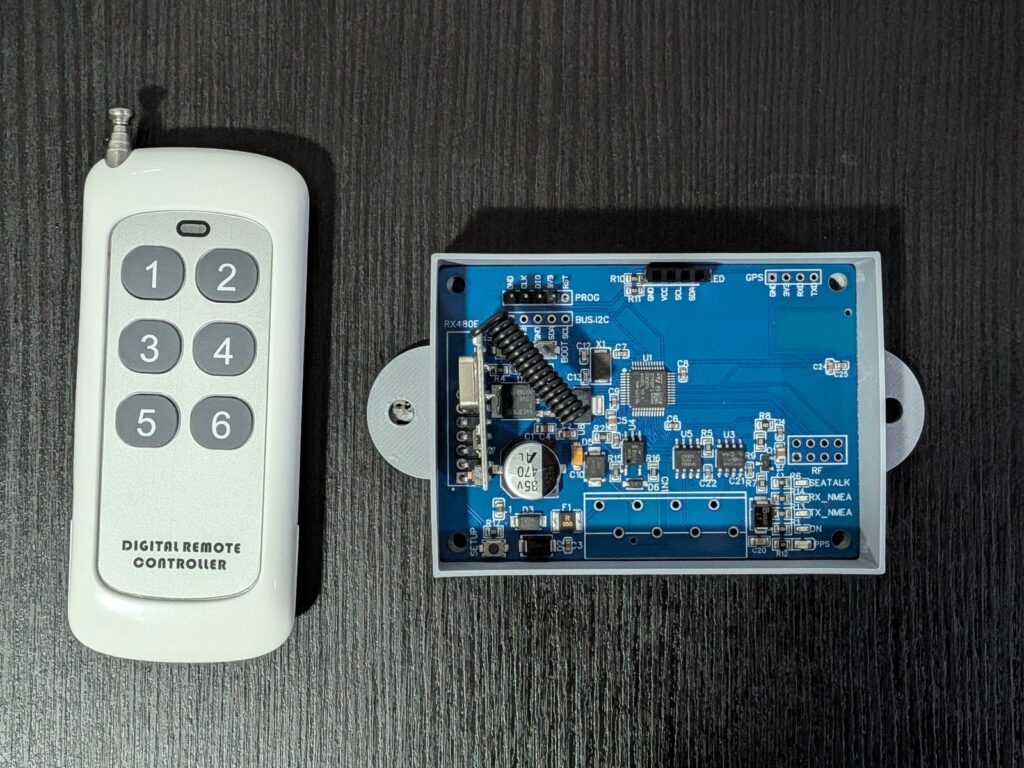
Placa de la sailoQ cube-lite 1.6 con procesador STM32 y receptor de 433 MHz
The new 1.6 board, with the STM32 processor and the 433 MHz receiver (top left).

STM32 processor: much more power

The new cube-lite is fitted with an STM32, a microcontroller family far more powerful than the Arduino Nano in the previous version. With it, the cube-lite easily handles both of the boat's data buses, NMEA 0183 and SeaTalk, at the same time and without losing messages.

The NMEA 0183 inputs are optically isolated, as the standard requires: the cube-lite is electrically isolated from the equipment that sends it data.

NMEA 0183 to SeaTalk bridge

We've increased the number of sentences the cube-lite relays between the two buses, so NMEA 0183 equipment and Raymarine SeaTalk instruments share information without any extra gateways.

Speed log from the GPS you already have

The cube-lite keeps the speed log output to your display. It doesn't need its own GPS: it uses the GPS already installed on your boat, whether it arrives over NMEA 0183 or SeaTalk. Your display shows speed again with no paddlewheel to clean and no barnacles, using the equipment you already have on board.

If your boat has no GPS connected to the instrument network, there is also a version with built-in GPS. When fitted, the cube-lite uses it as the main source of position and speed. Only a few units of this version are available.

Remote control for the autopilot

The big new feature is the 433 MHz radio receiver. With a remote control you can operate the autopilot connected to the SeaTalk network from anywhere on the boat: from the bow when anchoring, from the cockpit or while trimming the sails.

From the remote you can:

  • Switch the autopilot to Auto or Standby.
  • Change course by 1° or 10° to port or starboard.
  • Put the autopilot in wind mode, using a key combination.

All the key combinations will be explained in the manual.

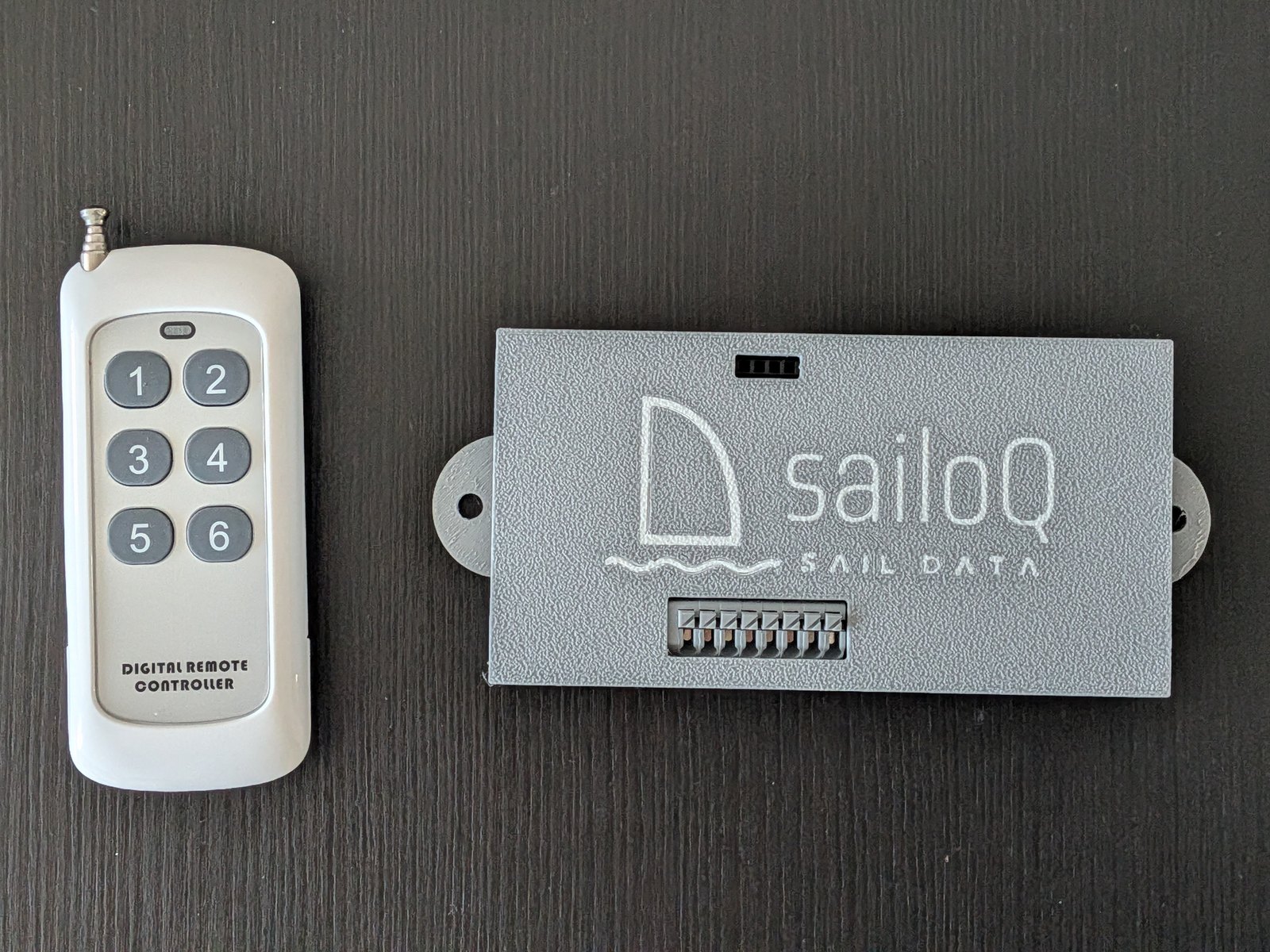
It also works with any 433 MHz remote control, which you can pair with the cube-lite yourself.

Mando a distancia de 433 MHz junto a la sailoQ cube-lite 1.6 abierta
The remote control and the cube-lite 1.6.

Interested? See the sailoQ cube-lite in the shop or, if you only need the speed log, the sailoQ cube-micro. If you're not sure which model to choose, see Which sailoQ do I need?

Posted on

sailoQ ITF3: your wind, speed log and depth sensors on SeaTalk, NMEA 2000 and NMEA 0183

Introducing sailoQ's new project: the sailoQ ITF3, an instrument interface that connects your boat's classic sensors to today's data networks.

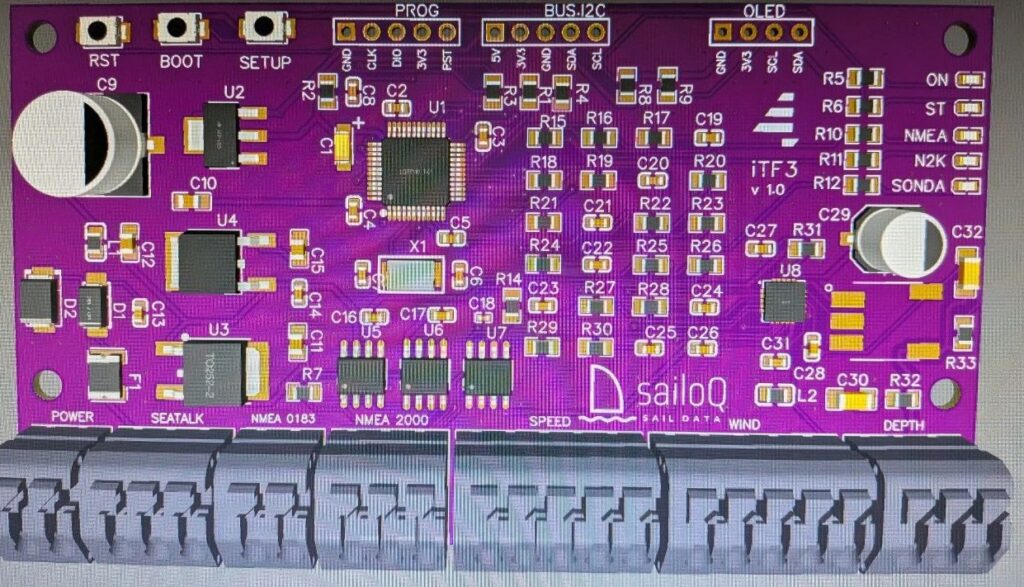
Diseño de la placa sailoQ ITF3, interfaz de viento, corredera y sonda
ITF3 board design, before manufacturing.

What it is

Many boats have sensors in perfect condition: the wind vane at the masthead, the speed log and the depth transducer in the hull. What breaks down or becomes outdated is what sits behind them. The ITF3 reads those sensors directly and sends their data to the equipment on board, so you can keep using them with a modern chartplotter or with the instruments you already have.

Which sensors it reads

  • Wind: the wind vane and anemometer of the Raymarine ST60 and i60.
  • Speed log: speed through the water and water temperature.
  • Depth: depth, with 200 kHz transducers such as Airmar.

Where it sends the data

The ITF3 sends the information simultaneously over SeaTalk, NMEA 2000 and NMEA 0183. This means it can feed Raymarine instruments over SeaTalk, chartplotters and multifunction displays over NMEA 2000, and NMEA 0183 equipment such as autopilots, VHF radios or computers running OpenCPN.

It also has a connection for a small display to see the data at a glance during installation.

Designed for the sea

A single board replaces several interfaces, with one terminal block per connection and its name next to it, so installation is simple and tidy. The board will be conformal-coated to protect it from moisture and salt.

Where we are

We have already sent the first prototypes for manufacturing. When they arrive, we will test them on the bench and on the water, and we will keep you posted here.


Interested? If you'd like us to let you know when it's available, or you're not sure whether it suits your boat, write to us from the contact page. In the meantime, take a look at the other sailoQ devices.